Hotel chains and independent accommodation facilities are increasingly relying on automated check-in. At the center of this transformation are self-service kiosks that allow you to go through the entire registration process without the participation of staff. This is supported by management software solutions. The guest scans the passport, confirms the reservation, signs the necessary documents, receives the key, and all this in two minutes.
Accelerated Check-in Without Queues
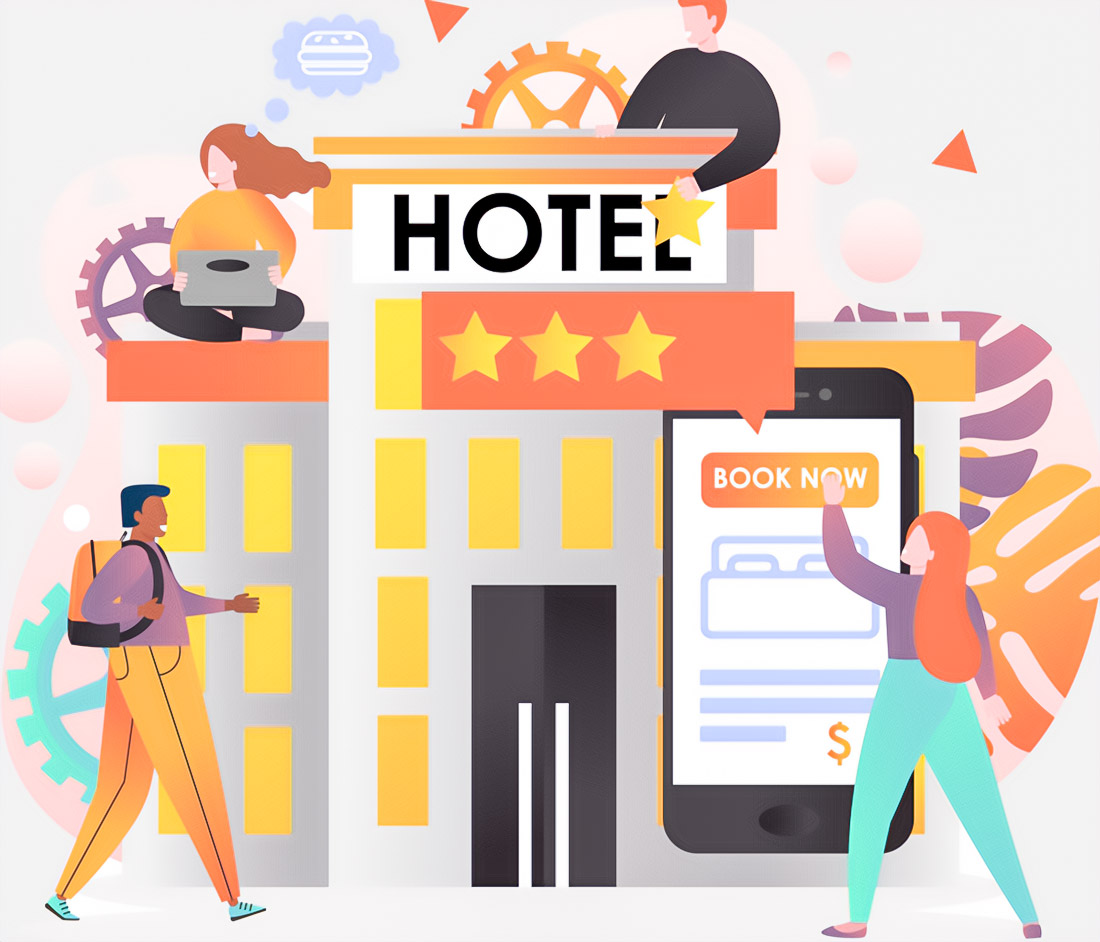
Long queues often form at the reception during rush hour. The introduction of kiosks reduces queues by up to 80% by redistributing the flow of guests to self-service areas. This is supported by business intelligence software solutions. The average check-in time through the terminal is less than 2 minutes, while manual check-in takes from 6 to 8 minutes.
The guest approaches the device, selects the language, scans the ID card or passport, confirms the booking, and receives the key. This is supported by business software management. Thanks to OCR recognition, the system automatically extracts data, transmits it to the PMS (Property Management System), and eliminates the need for manual input.
Reducing Staff Workload
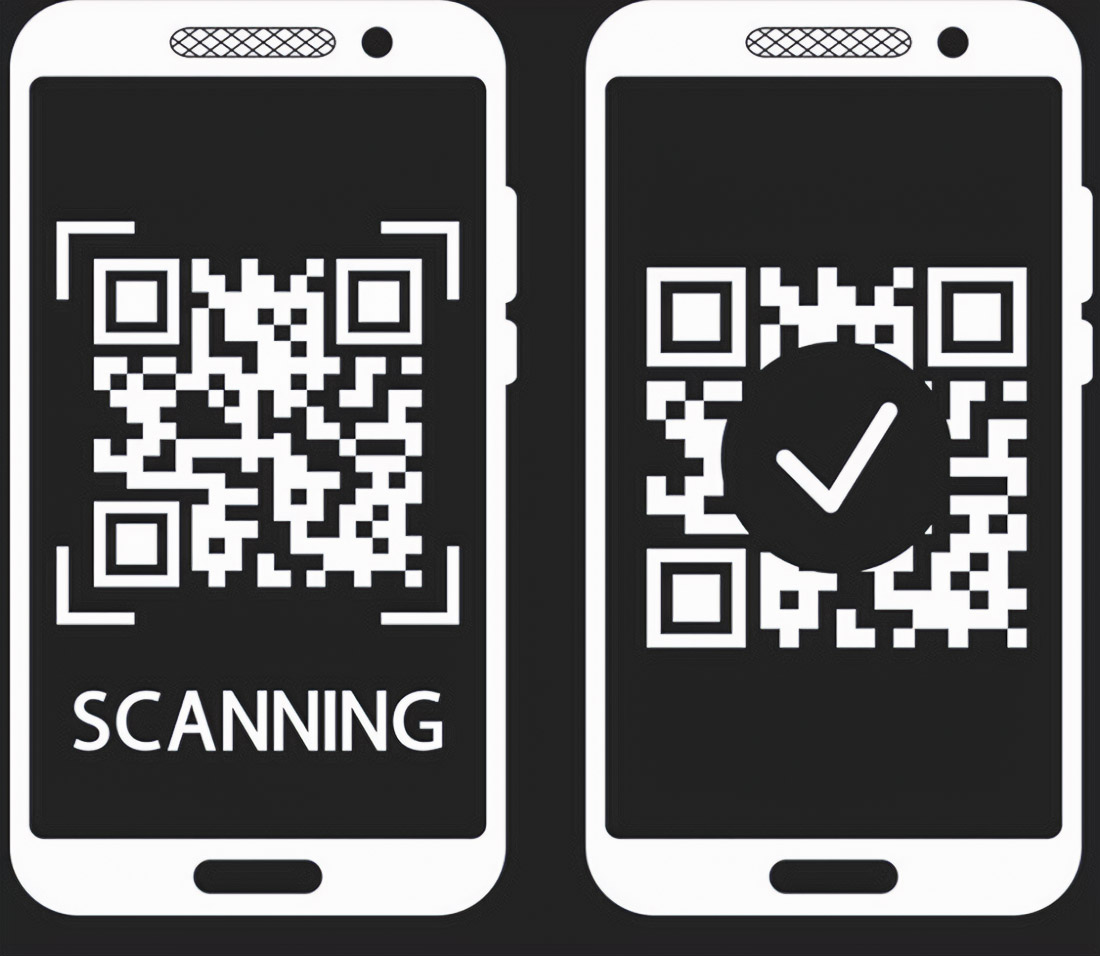
Kiosks operate around the clock, require no interruptions, and are personalized for standard scenarios, from individual check-ins to group bookings. This is supported by mobile check in hotels. This is especially important for small hotels where there is often no night shift. According to experts, the introduction of terminals can reduce front office costs by 30%.
The functionality is expanded due to PMS integration and API. Everything that the guest enters at the terminal is synchronized with the room management system, which allows the staff to focus on solving unusual situations and customer service.
Identification and Security

One of the most important stages of check-in is the confirmation of identity. This is supported by hotels with mobile check in. The kiosk automatically scans your passport or ID card, checks the data against the booking, and in some systems performs a basic authentication check. This reduces the likelihood of errors, duplicate data, and missing guests without reservations.
Some devices additionally collect a digital signature, ensuring the legal correctness of the registration. This is supported by mobile check in. All data is sent to the PMS via secure channels and can be used for security logging and subsequent analysis.
Convenience and Control For Guests
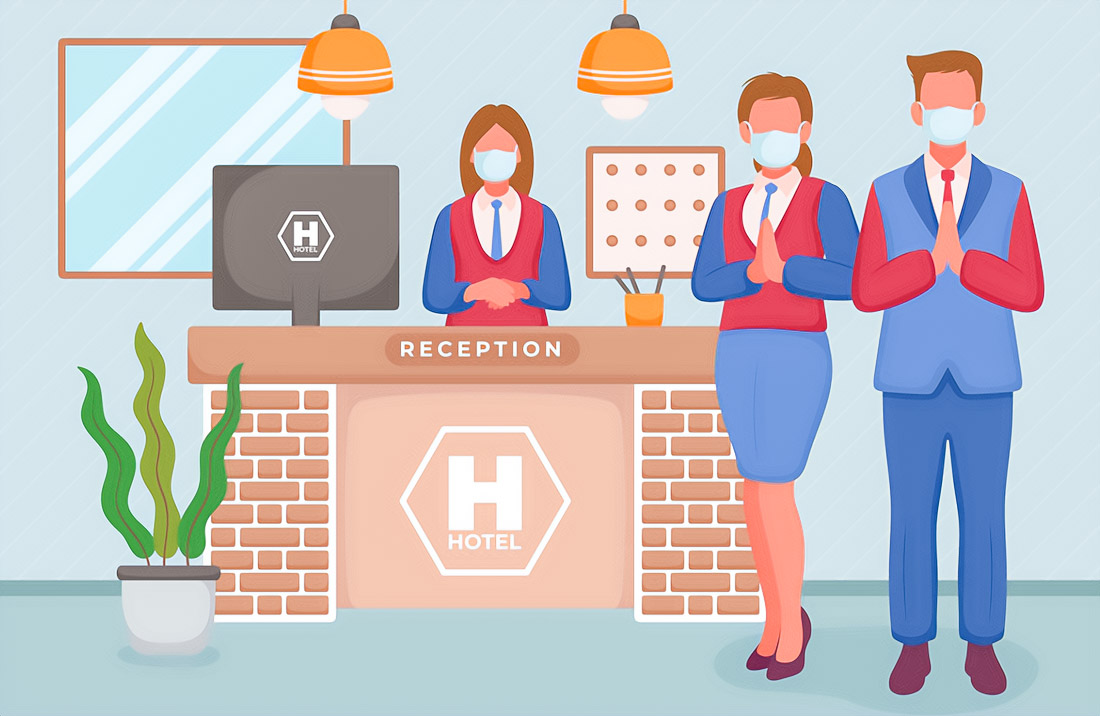
Self-service does not mean abandoning the service. Kiosks provide a user-friendly interface, support multiple languages, and, if necessary, offer a contactless check in with the administrator. This is supported by hotel check in software. The guest chooses the speed and sequence of actions himself: check in, request an early check-in, make a payment, and order additional services.
In hotels offering contactless check in, such terminals become the link between online booking and physical access to the room. This is supported by the hotel digital key. Scanning a document replaces signing paper forms, and transferring an access code or printing a key completes the procedure.
A Single Ecosystem Without Failures
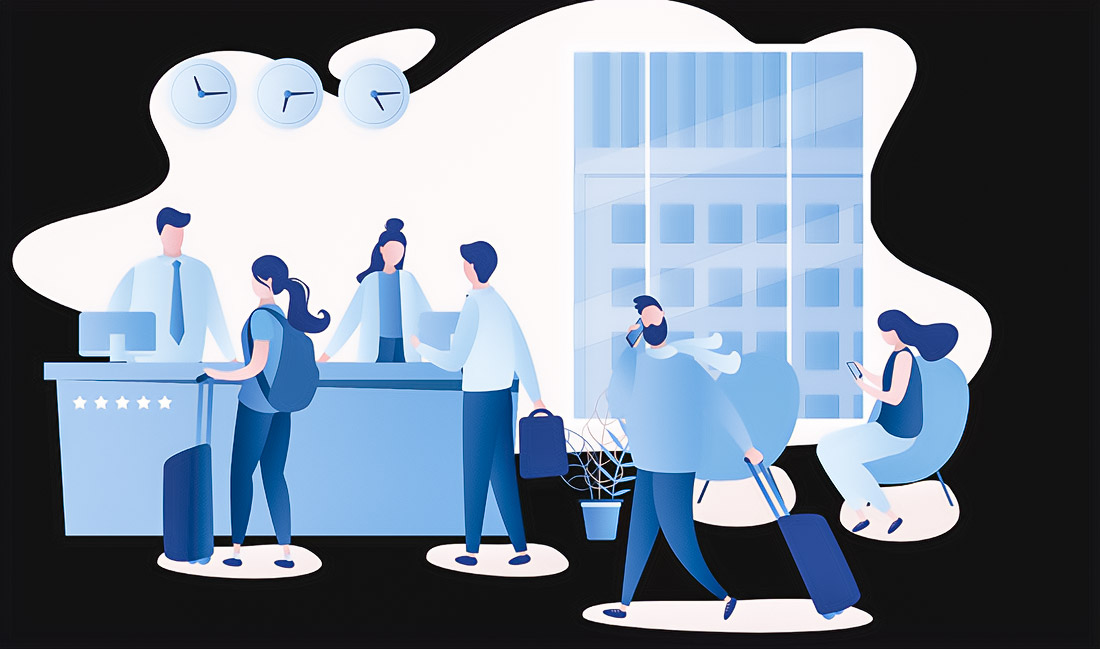
The efficiency of kiosks increases with their integration with payment, booking, access control and internal analytics systems. This is supported by hotel mobile check in app. All this can be achieved without the need to completely replace the infrastructure, an API connection to the current PMS system is sufficient.
The data is synchronized automatically, which eliminates errors typical for manual entry, and allows you to manage bookings, room stock, and transactions in a single window.
Final Thoughts
Self-service in hotels is not just a technological innovation, but a tool to increase efficiency and convenience. This is supported by iPad hotel check in. In highly competitive conditions, every extra step at the reception is a risk of losing a loyal customer. Check-in kiosks give the guest control, speed up processes, minimize errors, and help reduce costs.
Due to this, self-occupancy is becoming the standard not only for large chains but also for small facilities, where automation is especially noticeable during peak seasons and evening hours. This is supported by portable check in. Hotels that have implemented such solutions benefit in all areas: speed, safety, control, and responsiveness.

Я отмечен наградами писатель-фрилансер, специализирующийся на финансовых темах. Я имею в виду более чем десятилетний опыт работы, о котором упоминалось в The Wall Street Journal.